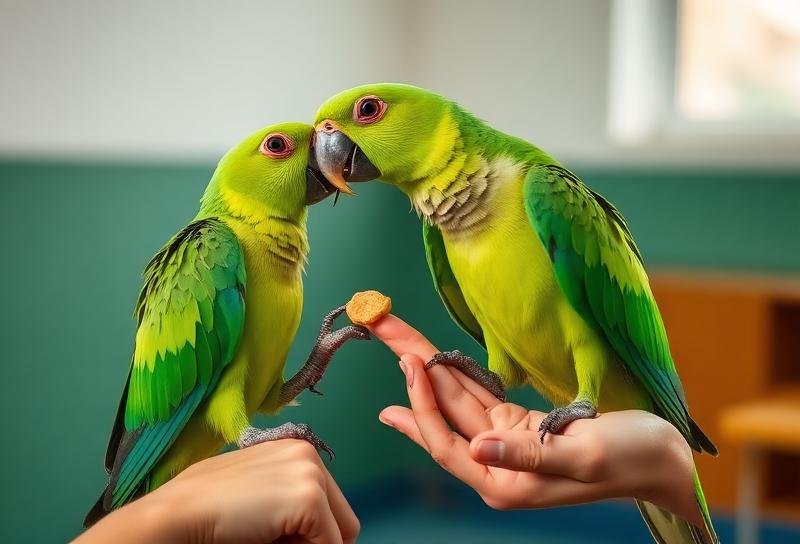
Parrot Training Tips for Beginners: Teach Your Bird to Talk and Do Tricks
Want to train your parrot? Learn proven techniques for teaching speech, tricks, and good behavior. Step-by-step guide for new parrot owners.
Introduction to Parrot Training
Training your parrot isn't just about teaching fun tricks—it's about building a trusting relationship, providing mental stimulation, and ensuring your bird is well-behaved and happy. This guide will take you through the fundamentals of parrot training.
The Foundation: Building Trust
Before any training can happen, your parrot must trust you.
Signs Your Parrot Trusts You
- Relaxed body posture around you
- Approaches you willingly
- Eats from your hand
- Allows head scratches
- Shows curiosity rather than fear
Building Trust Takes Time
- Spend time near the cage reading or talking softly
- Offer treats through cage bars first
- Move slowly and speak calmly
- Respect when they say "no" (backing away, biting)
- Be patient—some birds take months to warm up
Essential Training Principles
Positive Reinforcement Only
- NEVER use punishment
- Reward desired behaviors immediately
- Ignore unwanted behaviors (when safe to do so)
- Be consistent with your responses
Timing Is Everything
- Reward IMMEDIATELY (within 1-2 seconds)
- The bird must connect the reward with the action
- Use a clicker or marker word for precision
Keep Sessions Short
- 5-15 minutes maximum
- End on a positive note
- Multiple short sessions beat one long session
- Watch for signs of fatigue or frustration
The Step-Up Command
This is the most important command for any parrot.
How to Teach Step-Up
- Present your hand/finger at chest level
- Say "step up" clearly
- Gently press against their chest
- When they step on, praise immediately
- Reward with a treat
- Practice in short sessions
Troubleshooting
- Bird bites: You may be moving too fast
- Bird backs away: Reduce pressure, work on trust first
- Bird only steps up for treats: Gradually phase out treats, keep praise
Target Training
Target training is the foundation for teaching tricks.
What You Need
- A target stick (chopstick or dedicated training stick)
- High-value treats
- Patience
Teaching Target Touch
- Present the target stick near your bird
- When they look at it, reward
- When they move toward it, reward
- When they touch it with their beak, jackpot reward!
- Add the cue "touch" once consistent
Using Target Training
Once learned, target training helps teach:
- Going to specific locations
- Entering carrier
- Stepping onto scale
- Learning complex tricks
Teaching Your Parrot to Talk
Not all species are equal talkers, but many can learn some words.
Best Talking Species
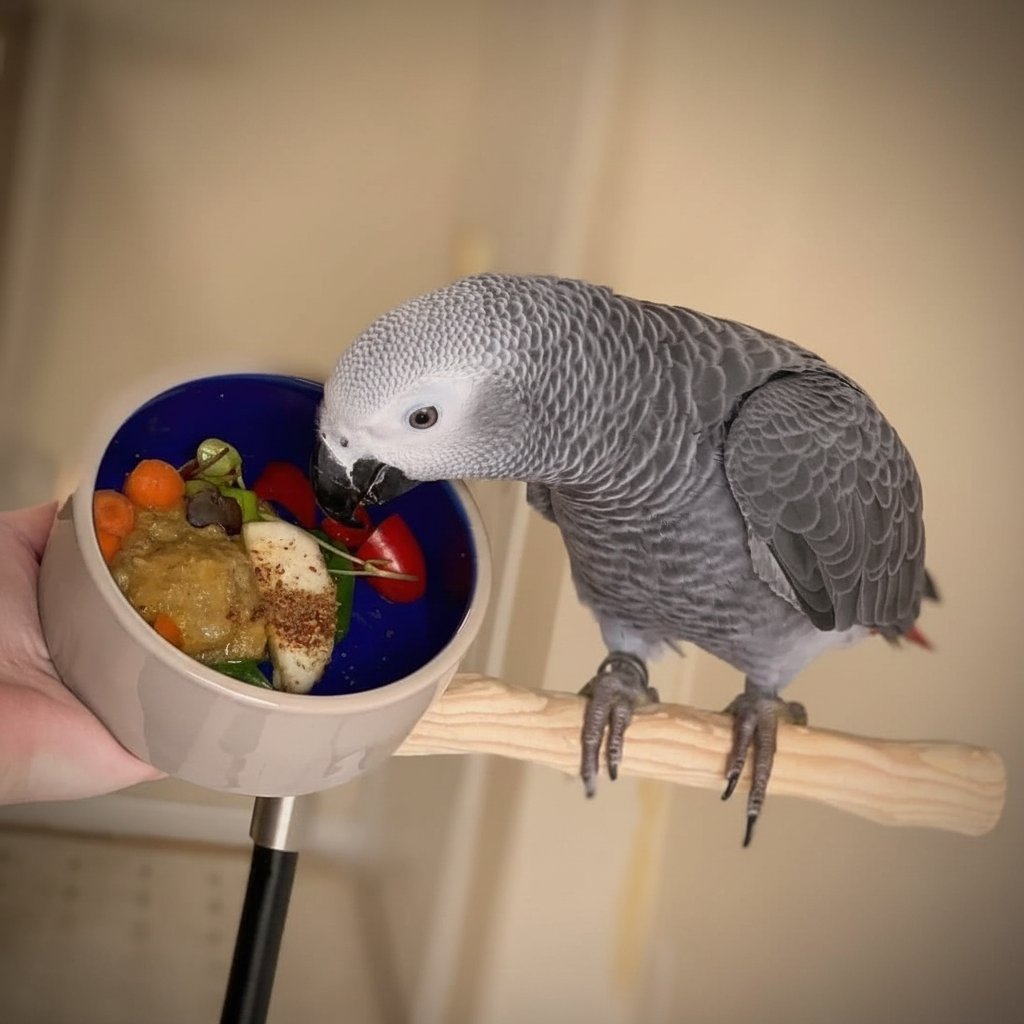
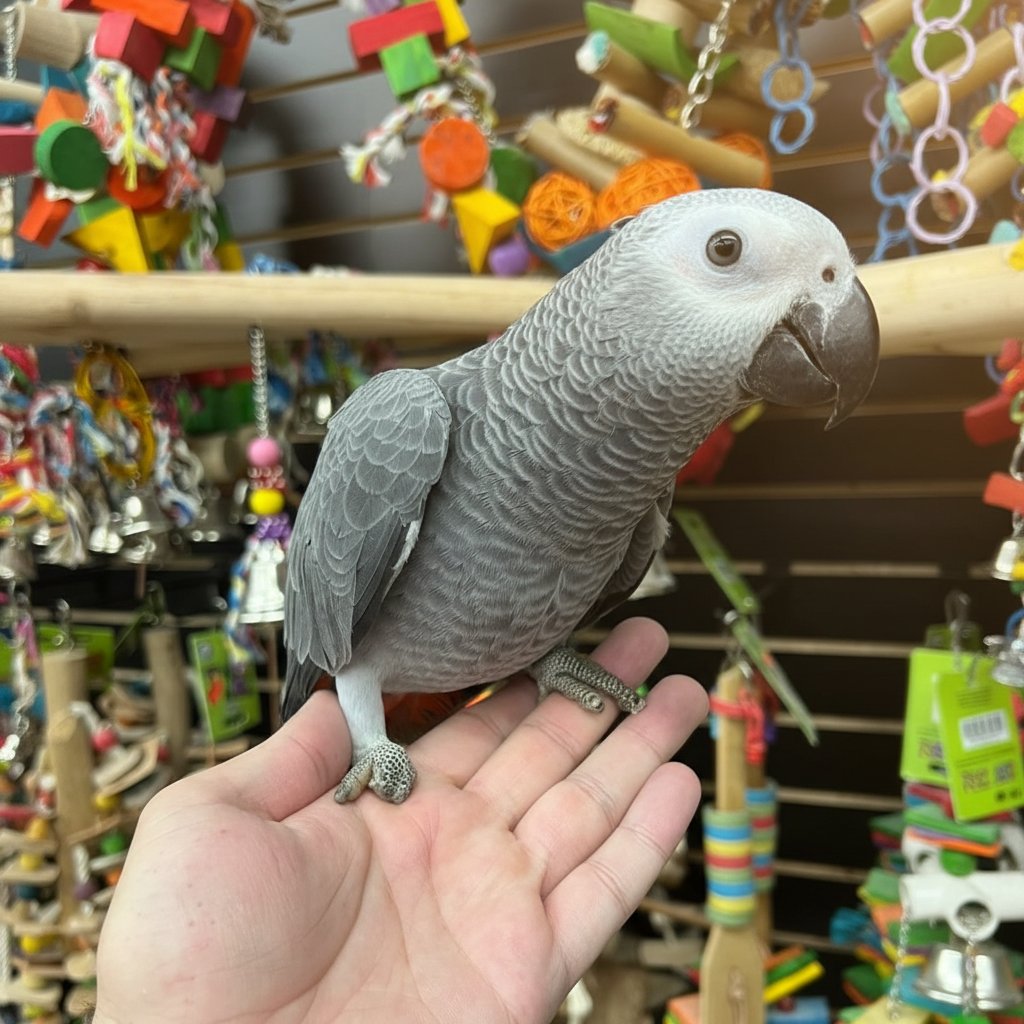
- African Grey (can learn 1000+ words)
- Amazon Parrots
- Quaker Parrots
- Indian Ringneck
- Eclectus
Speech Training Techniques
Repetition is Key
- Choose one word or phrase to start
- Say it clearly, with enthusiasm
- Repeat in the same tone each time
- Use the word in context (say "hello" when entering)
Associate Words with Meaning
- "Apple" when offering apple
- "Step up" when they step up
- "Goodnight" at bedtime
- Context helps them understand when to use words
Recording Technique
- Record yourself saying the word
- Play it on loop while you're away
- Limit to 1-2 hours per day
- Some birds learn faster with recordings
When They Start Talking
- Praise enthusiastically when they try
- Accept imperfect attempts
- Don't laugh at inappropriate words (reinforcement!)
- Some birds take 6-12 months to start
Teaching Tricks
Tricks provide mental stimulation and strengthen your bond.
Easy Beginner Tricks
Wave
- Teach step-up first
- Present hand for step-up, then pull away slightly
- When they lift their foot, say "wave"
- Reward immediately
- Repeat until they wave without step-up prompt
Turn Around
- Use target stick to lure in a circle
- Say "turn around" as they complete the turn
- Reward at completion
- Gradually reduce target lure
Shake Hands
- Hold treat in closed fist
- When they grab your finger, say "shake"
- Reward and repeat
- Transfer to open hand handshake
Advanced Tricks
Once basics are mastered, you can teach:
- Fetch
- Basketball (mini hoop)
- Putting shapes in correct holes
- Roller skating
- Playing dead
Behavior Modification
Training isn't just about tricks—it's about living harmoniously.
Reducing Screaming
- Don't yell back (reinforcement!)
- Ignore attention-screaming when possible
- Reward quiet behavior
- Provide alternatives (foraging toys)
- Address underlying causes (boredom, fear)
Addressing Biting
- Never punish biting
- Learn to read body language to prevent bites
- "Earthquake" technique: if on hand, shake gently
- Give "time out" by calmly placing in cage
- Identify and address triggers
Feather Plucking
This requires professional help, but training can be part of the solution:
- Increase mental stimulation
- Teach alternative behaviors
- Address environmental stressors
- Consult avian behaviorist
Training Schedule
Sample Weekly Plan
Daily (5-10 minutes each session)
- Morning: Basic commands practice
- Evening: New skill work
Weekly Goals
- Maintain known behaviors
- Work on one new skill
- Vary the rewards
Conclusion
Training your parrot is a journey, not a destination. It builds trust, provides enrichment, and creates a more harmonious life together. Remember: patience, consistency, and positive reinforcement are your keys to success. Every parrot learns at their own pace—celebrate small victories along the way.
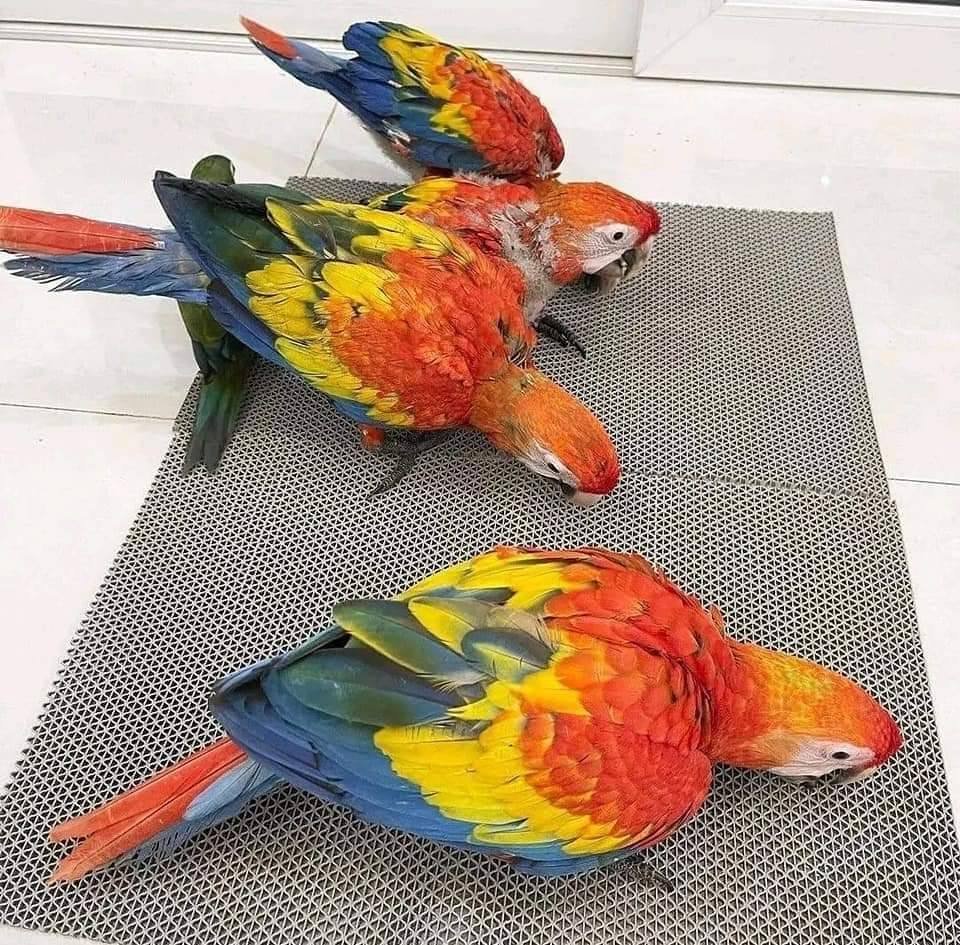
Looking for a trainable, hand-raised parrot? Browse our available birds at Grace Parrots Aviary.
Ready to Find Your Perfect Parrot?
Browse our hand-reared parrots, all raised with love and care.
Available Parrots
Have Questions?
Check out our FAQ for answers about purchasing, shipping, and caring for your new parrot.
Read our FAQ