Cockatoo Care Guide: Umbrella, Moluccan & More
Cockatoos are affectionate, entertaining birds that require dedicated care. Learn about Umbrella Cockatoo and Moluccan Cockatoo care, emotional needs, and how to prevent common behavioral issues.
Introduction to Cockatoo Care
Cockatoos are among the most affectionate parrots you can own—often called "velcro birds" for their desire to be constantly attached to their owners. This deep bonding is wonderful but comes with unique challenges. This guide will help you understand and meet the needs of these remarkable birds.
Popular Cockatoo Species
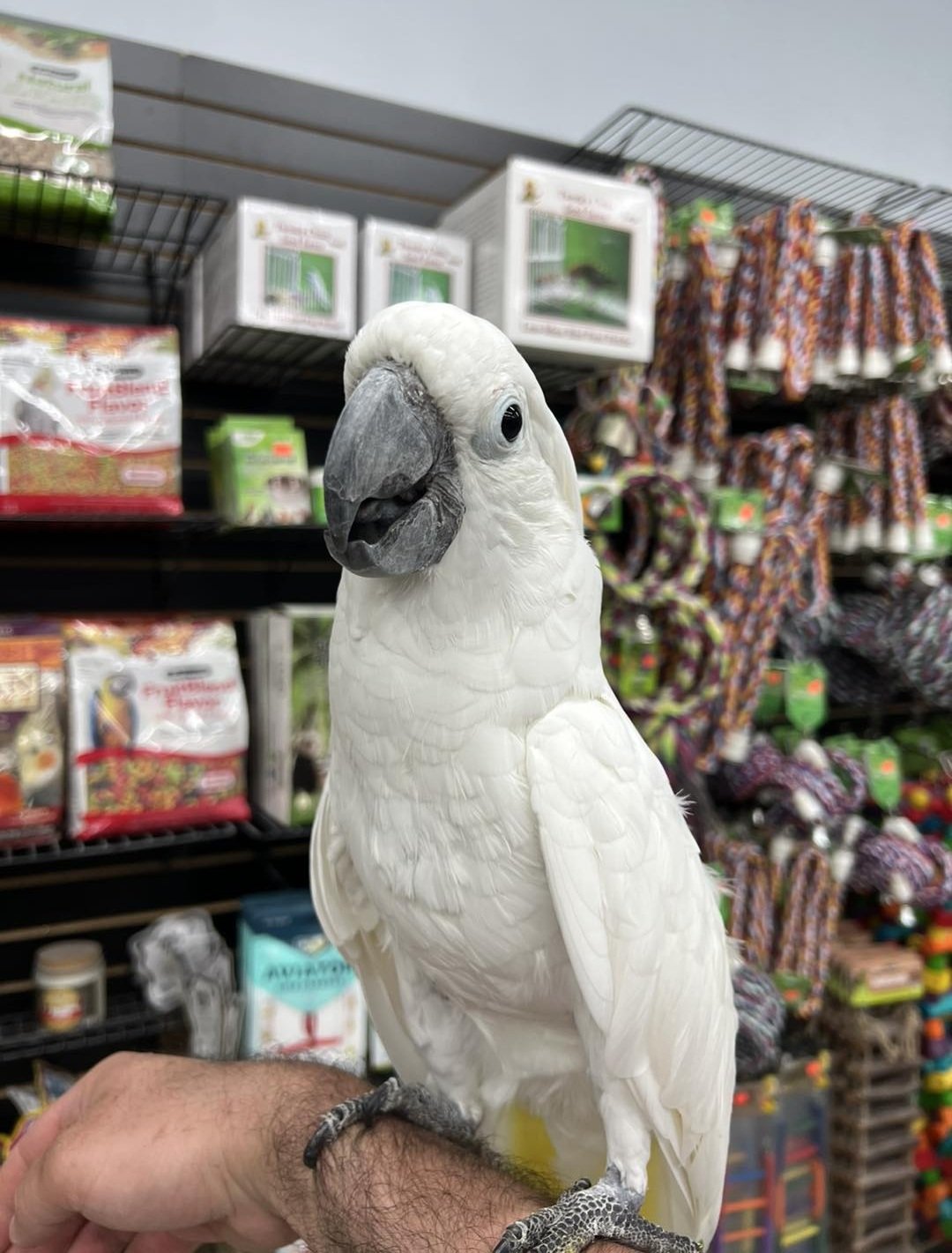
Umbrella Cockatoo
- Size: 18-20 inches
- Lifespan: 40-60 years
- Personality: Extremely cuddly, playful, can be loud
- Best for: Experienced owners with lots of time
Moluccan Cockatoo
- Size: 20-22 inches
- Lifespan: 40-60 years
- Personality: Most affectionate, sensitive, very loud
- Best for: Very experienced owners, dedicated caretakers
Goffin's Cockatoo
- Size: 12-13 inches
- Lifespan: 30-40 years
- Personality: Active, clever, less cuddly than larger species
- Best for: Those wanting a cockatoo in a smaller package
Sulphur-Crested Cockatoo
- Size: 15-20 inches
- Lifespan: 40-60 years
- Personality: Intelligent, can be temperamental, loud
- Best for: Experienced owners
The Cockatoo Emotional Challenge
Cockatoos are uniquely emotionally demanding. Understanding this is crucial before adoption.
Why Cockatoos Are Different
- They form extremely deep bonds
- They can become overly dependent on one person
- They're prone to anxiety and depression
- They may develop behavioral issues if needs aren't met
- They require MORE attention than most parrots
Common Behavioral Issues
- Feather plucking/self-mutilation: Often stress-related
- Excessive screaming: Seeking attention
- Aggression: Hormonal or territorial
- Biting: Fear or over-excitement
- Phobias: Sudden fear of previously accepted things
Housing Requirements
Cockatoos need sturdy, spacious enclosures.
Cage Specifications
- Minimum size: 36" x 24" x 48" (larger for Moluccans)
- Bar spacing: 1" (prevents escape and injury)
- Material: Heavy-gauge stainless steel or powder-coated
- Construction: Welds must be solid—cockatoos test everything
Essential Features
- Multiple perches (variety of materials and sizes)
- Heavy-duty food bowls (they flip lightweight ones)
- LOTS of destructible toys
- Foraging opportunities
- Quiet sleeping area
The Destruction Factor
Budget for toy replacement monthly. Cockatoos NEED to destroy things—it's healthy behavior. Provide appropriate outlets or they'll find their own (your furniture, walls, etc.).
Diet and Nutrition
Cockatoos are prone to obesity and fatty liver disease, making diet crucial.
Recommended Diet
- High-quality pellets: 60-65% (low-fat formulas)
- Vegetables: 30% (focus on dark, leafy greens)
- Fruits: 5% (natural sugars—limit intake)
- Seeds and nuts: 5% maximum (treats only)
Foods to Emphasize
- Leafy greens (kale, spinach, swiss chard)
- Vegetables (carrots, peppers, squash, broccoli)
- Limited fruits (berries, apples, oranges)
Foods to Limit or Avoid
- Sunflower seeds (very high in fat)
- Nuts (occasional treat only)
- Avocado, chocolate, caffeine (toxic)
- High-fat human foods
Meeting Social Needs
This is where cockatoo care gets challenging.
Daily Interaction Requirements
- Minimum 4-6 hours of attention daily
- Include in family activities
- Provide supervised out-of-cage time
- Talk to them, sing with them, dance with them
- They truly NEED to feel like part of the flock
Independence Training
Paradoxically, you must teach cockatoos to be okay alone:
- Start with short separations
- Provide foraging toys when alone
- Don't make a big deal of comings and goings
- Reward calm behavior when alone
- Gradually increase alone time
Preventing Over-Bonding
- Socialize with multiple family members
- Don't cuddle constantly (it can trigger hormonal behavior)
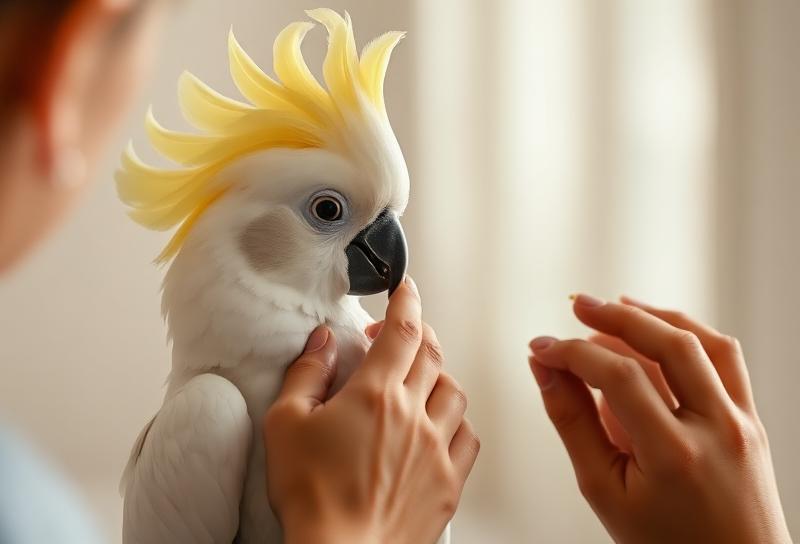
- Limit petting to head and neck only
- Establish boundaries early
Handling Noise
Cockatoos are LOUD. This is non-negotiable.
Understanding Cockatoo Vocalizations
- Dawn and dusk screaming is natural (flock behavior)
- Screaming for attention should not be rewarded
- Happy screaming is different from distress calls
- Some noise is healthy and unavoidable
Managing Noise
- Accept 15-30 minutes of loud vocalization daily
- Don't yell back (reinforces screaming)
- Ignore attention-seeking screams
- Provide activities during peak noise times
- Consider your neighbors before adopting
Health Considerations
Cockatoos have specific health vulnerabilities.
Common Health Issues
- Feather destructive behavior: Often psychological
- Obesity: Requires careful diet management
- Psittacine Beak and Feather Disease (PBFD): Viral
- Respiratory issues: Dusty feathers can affect sensitive humans too
The Dust Factor
Cockatoos produce significant dander (powder down). This can:
- Aggravate allergies and asthma
- Require more frequent cleaning
- Affect air quality
Consider this seriously before adoption.
Veterinary Care
- Establish relationship with avian vet immediately
- Annual wellness exams
- Blood work as recommended
- Behavioral consultations if needed
Is a Cockatoo Right for You?
Honest self-assessment is crucial:
- Do you work from home or have flexible schedule?
- Can you provide 4-6 hours of interaction DAILY?
- Can your living situation handle loud birds?
- Do you have experience with parrots?
- Are you prepared for potential behavioral challenges?
- Can you commit to 40-60 years of care?
Conclusion
Cockatoos offer unparalleled affection and companionship to owners who can meet their significant needs. They're not for everyone, but for the right person, they're absolutely magical. If you believe you're ready for the cockatoo commitment, explore our available cockatoos at Grace Parrots Aviary—all hand-raised by experienced caretakers who understand these special birds.
Ready to Find Your Perfect Parrot?
Browse our hand-reared parrots, all raised with love and care.
Have Questions?
Check out our FAQ for answers about purchasing, shipping, and caring for your new parrot.
Read our FAQ