Macaw Care Guide: Everything You Need to Know About Keeping Macaws
Macaws are stunning, intelligent birds that make incredible companions. Learn about Scarlet, Blue and Gold, Hyacinth, and Green Wing Macaw care, diet, and housing requirements.
Introduction to Macaw Care
Macaws are the majestic giants of the parrot world, known for their stunning plumage, impressive size, and remarkable intelligence. Whether you're considering a Scarlet Macaw, Blue and Gold Macaw, Hyacinth Macaw, or Green Wing Macaw, this comprehensive guide will help you provide the best possible care.
Types of Macaws
Large Macaws
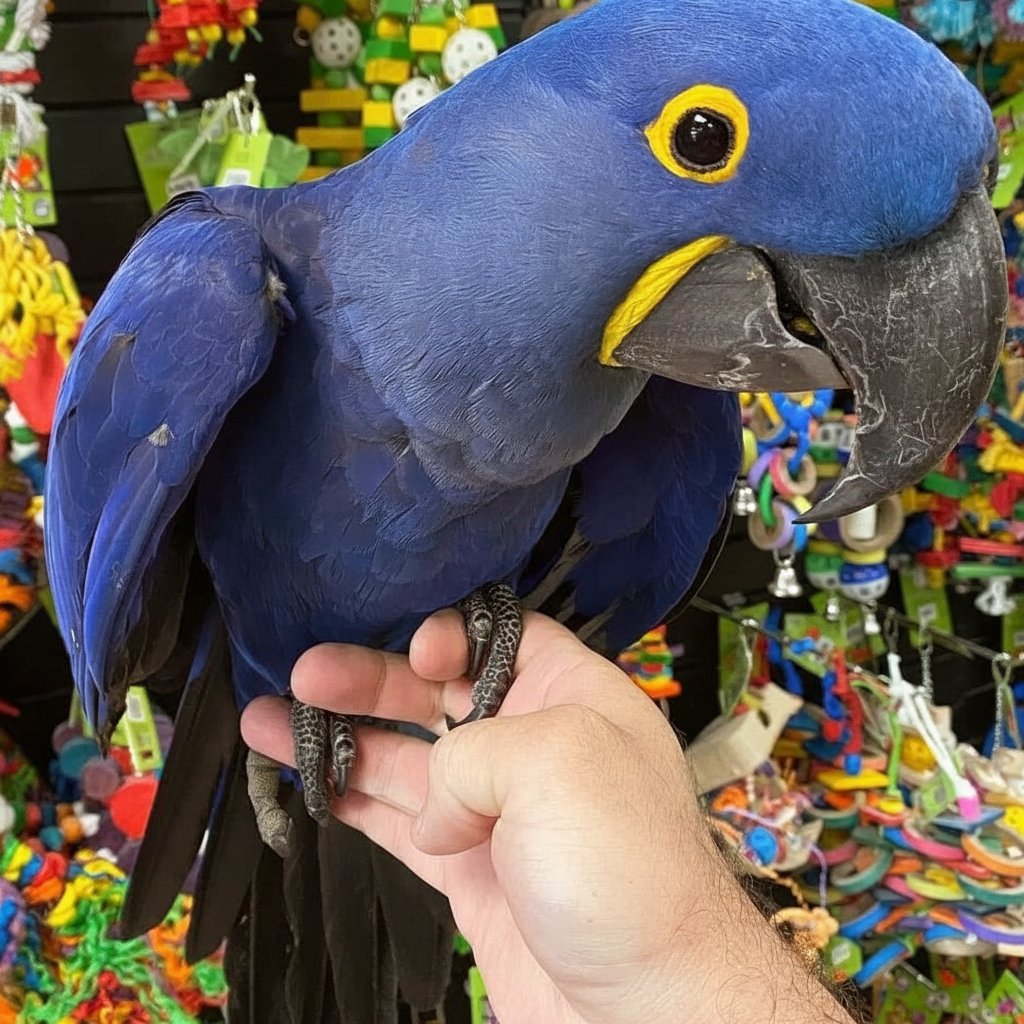
- Hyacinth Macaw: The largest flying parrot (40 inches), gentle giant with cobalt blue plumage
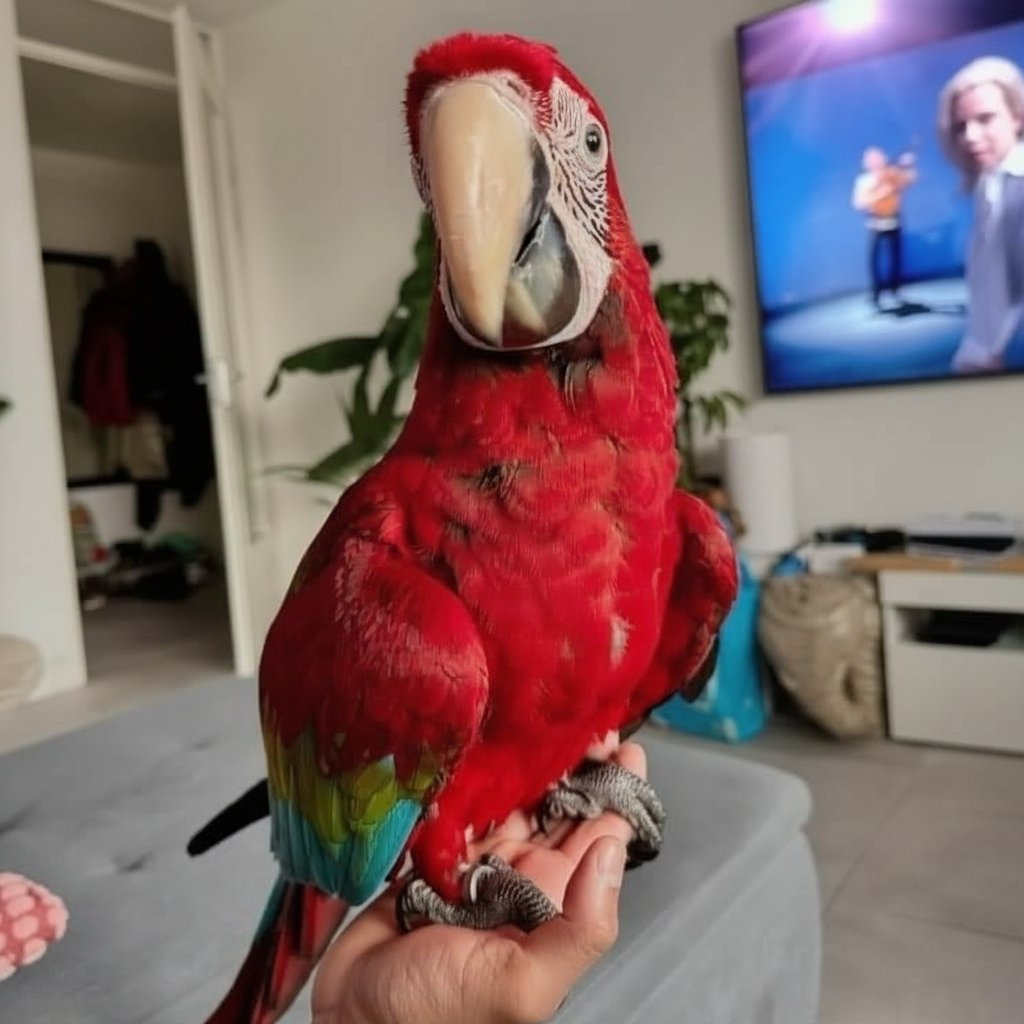
- Green Wing Macaw: Second largest (35-37 inches), known as "gentle giant," calm temperament
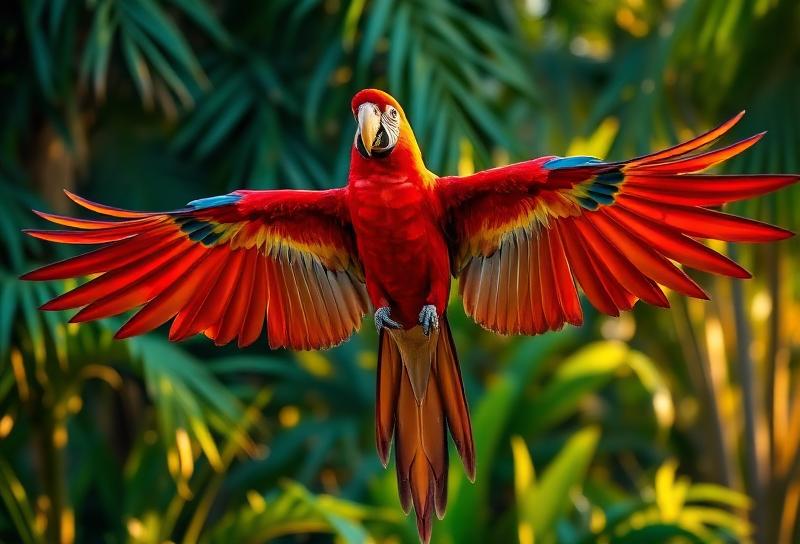
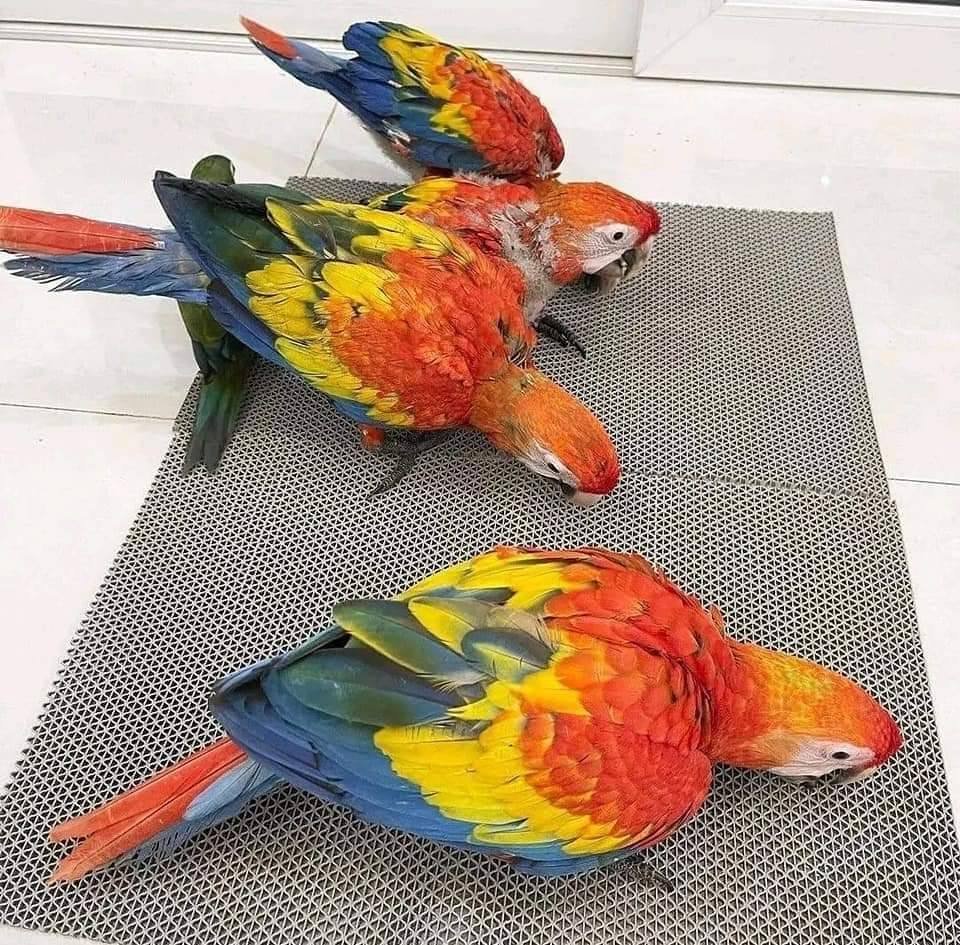
- Scarlet Macaw: Vibrant red, yellow, and blue (32-36 inches), bold personality
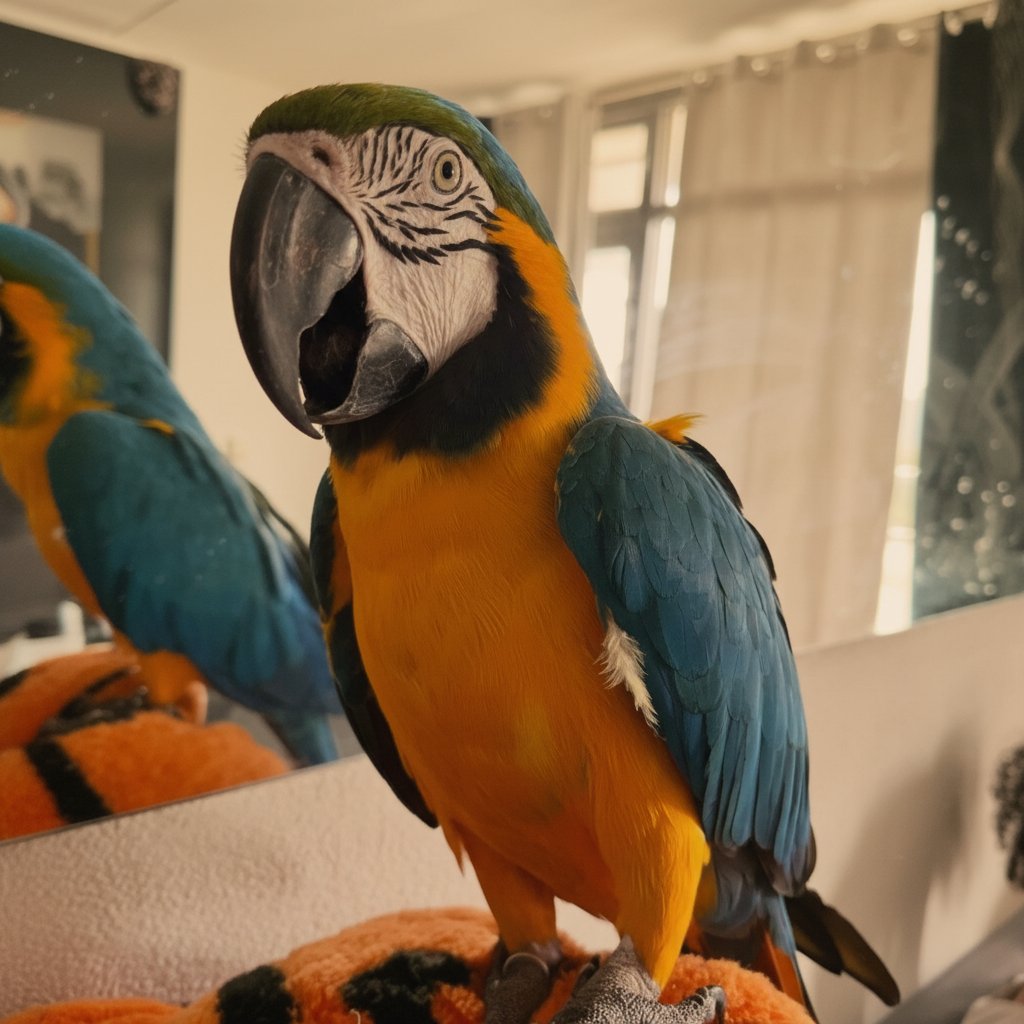
- Blue and Gold Macaw: Classic blue and yellow (30-34 inches), most popular and adaptable
Mini Macaws
- Hahn's Macaw: Smallest (12 inches), green plumage, big personality
- Severe Macaw: Medium-sized (18 inches), excellent talker
- Yellow-Collared Macaw: Compact (15 inches), playful nature
Housing Requirements
Macaws need substantial space to thrive.
Cage Specifications by Size
Large Macaws (Scarlet, Blue & Gold, Green Wing, Hyacinth):
- Minimum size: 36" x 24" x 48" (larger is essential)
- Bar spacing: 1" to 1.5"
- Material: Stainless steel (their beaks destroy powder coating)
Hyacinth Macaws specifically:
- Minimum: 48" x 36" x 60"
- Many owners dedicate entire rooms or aviaries
Essential Cage Features
- Multiple heavy-duty perches (varying diameters)
- Large, sturdy food bowls (stainless steel)
- Abundance of chew toys (they destroy them quickly)
- Play stand outside cage for exercise time
- Room to spread wings fully
Diet and Nutrition
Proper nutrition is critical for macaw health.
General Diet Guidelines
- Pellets: 50% of diet (high-quality, size-appropriate)
- Fresh vegetables: 30% (variety is key)
- Fresh fruits: 15% (natural sugars, vitamins)
- Nuts and seeds: 5% (treats only—high in fat)
Species-Specific Needs
Hyacinth Macaws: Require higher fat content due to their natural palm nut diet. Include macadamia nuts, coconut, and palm nuts.
All Macaws: Need more fat than smaller parrots but avoid obesity. Monitor weight regularly.
Favorite Foods
- Fruits: Mangoes, papayas, bananas, berries, apples
- Vegetables: Carrots, peppers, broccoli, leafy greens
- Nuts: Brazil nuts, macadamias, almonds, walnuts (in shell when possible)
Foods to Avoid
- Avocado (toxic)
- Chocolate and caffeine
- High-salt foods
- Processed human foods
Social and Emotional Needs
Macaws are highly social birds with complex emotional needs.
Daily Interaction Requirements
- Minimum 3-4 hours of direct interaction daily
- Include them in family activities
- Provide supervised out-of-cage time for exercise
- Mental stimulation through training and puzzles
Signs of Unhappy Macaw
- Feather plucking or self-mutilation
- Excessive screaming
- Aggression
- Loss of appetite
- Repetitive behaviors
Building Trust
Macaws bond deeply but may take time to warm up to new owners. Be patient, consistent, and gentle. Once bonded, they're incredibly loyal companions.
Training Your Macaw
Despite their size, macaws are highly trainable.
Basic Training
- Step-up command: Essential for handling
- Recall training: Important for safety
- Target training: Foundation for other tricks
- Socialization: Expose to different people and situations
Managing Behavior
- Avoid reacting to screaming (reinforces behavior)
- Redirect negative behaviors
- Establish consistent routines
- Use positive reinforcement only
Speech Training
Blue and Gold Macaws are the best talkers among large macaws. All species can learn some words with patience.
Health Considerations
Preventive care is essential for macaw longevity.
Common Health Issues
- Proventricular Dilatation Disease (PDD): Viral disease affecting digestion
- Psittacine Beak and Feather Disease (PBFD): Affects feathers and immune system
- Fatty liver disease: Common with improper diet
- Beak overgrowth: Requires proper items to chew
Veterinary Care
- Find an avian veterinarian before bringing your macaw home
- Annual wellness exams
- Regular beak and nail maintenance
- Blood work as recommended
Signs of Illness
- Fluffed feathers
- Changes in droppings
- Loss of appetite
- Lethargy
- Nasal discharge
Lifespan Considerations
Macaws are a multi-generational commitment:
- Blue and Gold Macaw: 50-60 years
- Scarlet Macaw: 40-50 years
- Green Wing Macaw: 50-60 years
- Hyacinth Macaw: 50-60 years
Plan for their long-term care in your estate planning.
Is a Macaw Right for You?
Consider these factors:
- Space: Can you provide adequate housing?
- Noise: Macaws are LOUD. Can your living situation accommodate this?
- Time: Do you have 3-4+ hours daily for interaction?
- Budget: Ongoing costs are significant
- Longevity: Are you prepared for a 50+ year commitment?
Conclusion
Macaws are extraordinary companions that reward dedicated owners with decades of love and entertainment. Their care requirements are significant, but the bond you'll form is unparalleled. If you're ready for this magnificent commitment, explore our available macaws at Grace Parrots Aviary—all hand-raised and ready to become your lifelong companion.
Ready to Find Your Perfect Parrot?
Browse our hand-reared parrots, all raised with love and care.
Available Parrots
Have Questions?
Check out our FAQ for answers about purchasing, shipping, and caring for your new parrot.
Read our FAQ