How to Care for an African Grey Parrot: Complete Guide for New Owners
African Grey parrots are among the most intelligent birds on earth. Learn everything about their diet, housing, social needs, and how to keep your Congo or Timneh Grey healthy and happy.
Introduction to African Grey Parrot Care
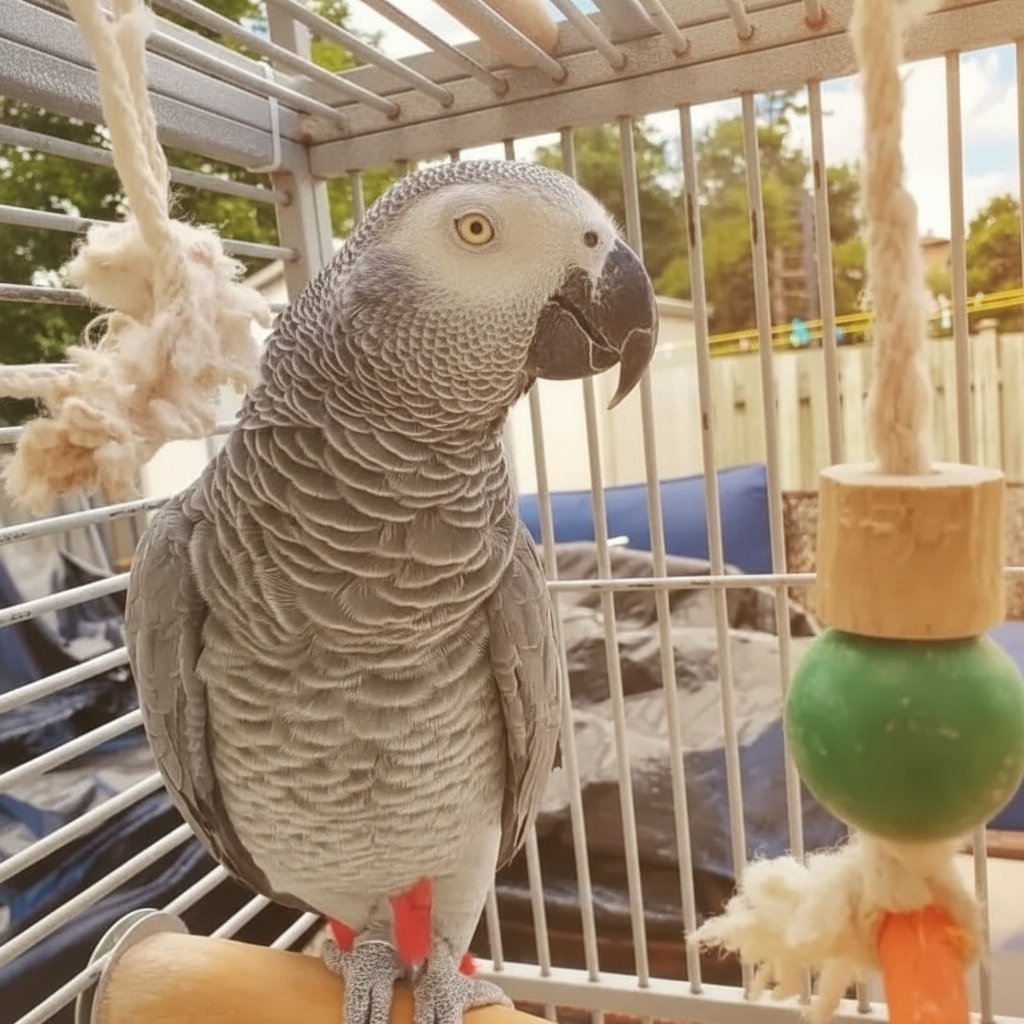
African Grey parrots are renowned for their exceptional intelligence and remarkable ability to mimic human speech. Whether you have a Congo African Grey or a Timneh Grey, proper care is essential for their health and happiness. These amazing birds can live 40-60 years with proper care, making them a lifelong commitment.
Understanding Your African Grey
African Greys are sensitive, intelligent birds that form deep bonds with their owners. They're often compared to having a 3-5 year old child in terms of emotional and intellectual capacity. This intelligence means they need constant mental stimulation to prevent boredom and behavioral issues.
Congo vs. Timneh African Grey
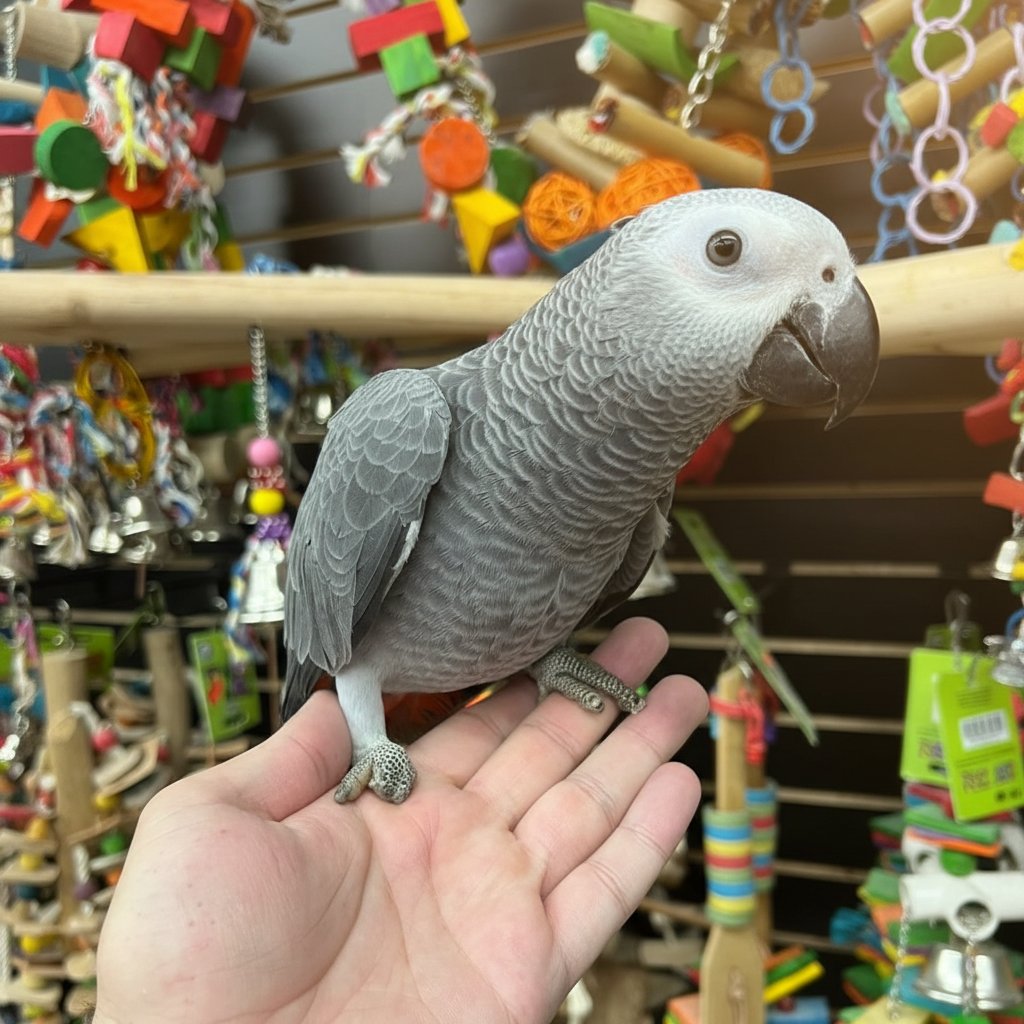
- Congo African Grey: Larger (12-14 inches), lighter grey feathers, bright red tail
- Timneh African Grey: Smaller (9-11 inches), darker grey feathers, maroon tail
Both subspecies are equally intelligent and make wonderful companions, though Timnehs are often considered slightly more adaptable to new environments.
Diet and Nutrition
A proper diet is crucial for your African Grey's health. These birds are prone to calcium deficiency, so their diet needs careful attention.
Recommended Diet Breakdown
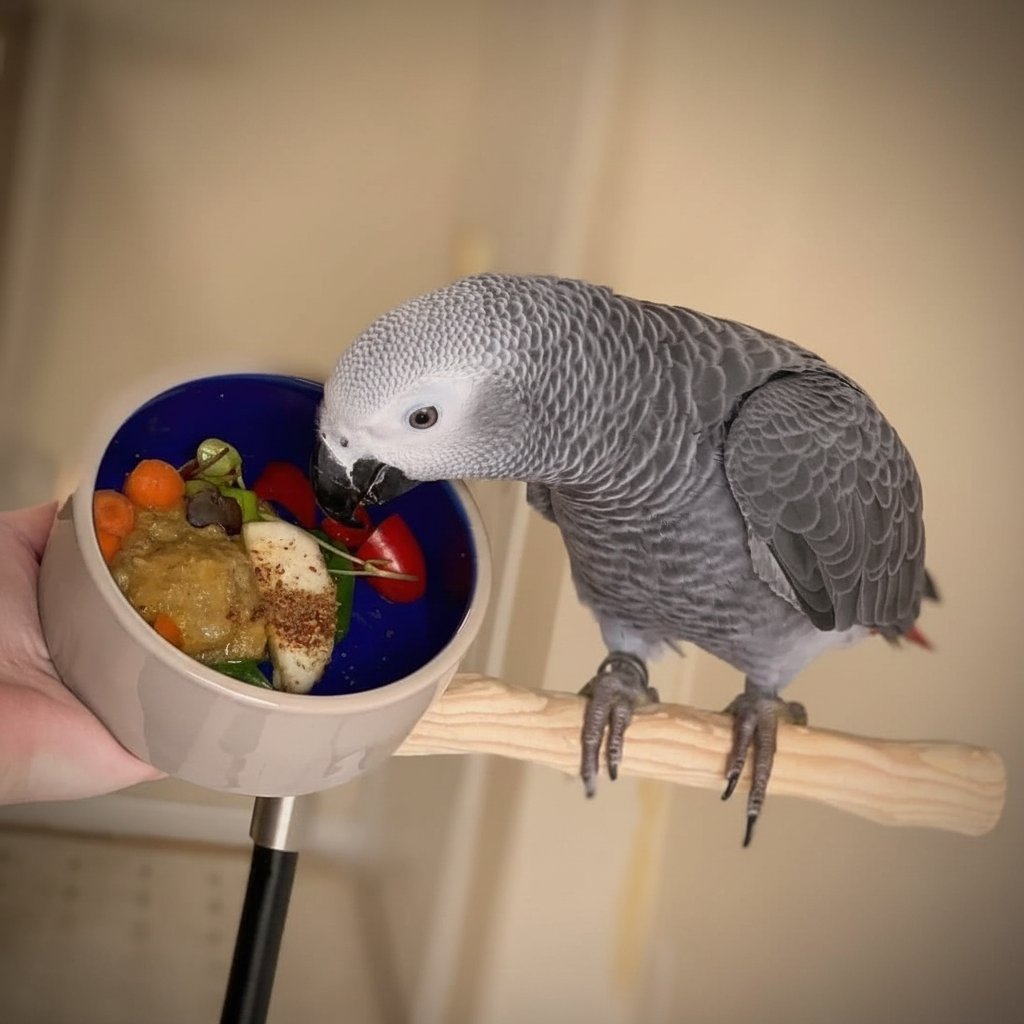
- High-quality pellets: 60% of diet
- Fresh vegetables: 25% of diet (dark leafy greens, carrots, bell peppers)
- Fresh fruits: 10% of diet (apples, berries, grapes)
- Seeds and nuts: 5% as treats only
Foods to Avoid
- Avocado (toxic)
- Chocolate and caffeine
- Alcohol
- Onions and garlic
- High-salt foods
Calcium-Rich Foods
Include calcium-rich vegetables like kale, broccoli, and spinach regularly. Consider a calcium supplement if recommended by your avian vet.
Housing Requirements
Your African Grey needs a spacious, safe environment to thrive.
Cage Specifications
- Minimum size: 36" x 24" x 48" (larger is always better)
- Bar spacing: 3/4" to 1" (prevents escape and injury)
- Material: Powder-coated or stainless steel
- Location: Well-lit room, away from drafts and kitchen fumes
Cage Setup
- Multiple perches of varying diameters (prevents foot problems)
- Food and water bowls (stainless steel recommended)
- Variety of toys for mental stimulation
- A sleeping hut or quiet corner
Social Needs
African Greys are social creatures that need significant interaction.
Daily Interaction Requirements
- Minimum 2-4 hours of direct interaction daily
- Include your Grey in family activities
- Talk to them regularly—they learn from conversation
- Provide out-of-cage time for exercise and bonding
Signs of Loneliness
- Feather plucking
- Screaming or excessive vocalization
- Aggression
- Loss of appetite
- Repetitive behaviors
Training Your African Grey
African Greys are among the easiest parrots to train due to their intelligence.
Basic Training Tips
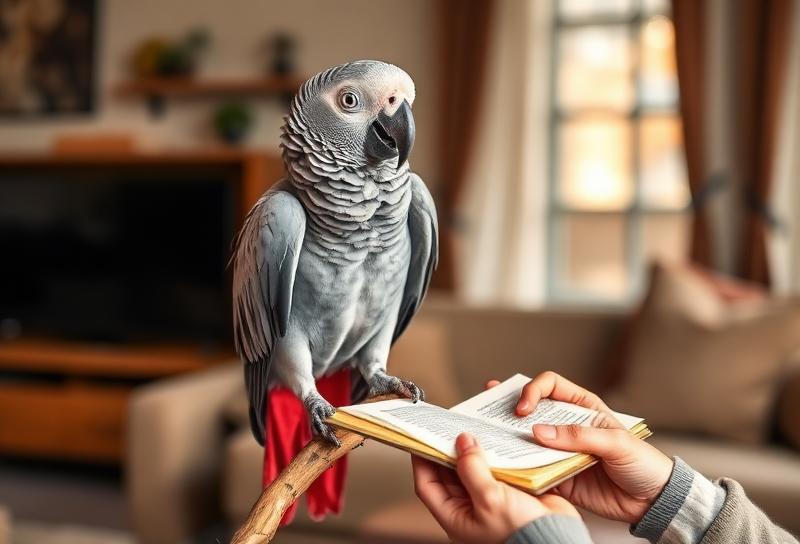
- Start with step-up training: Teach them to step onto your hand
- Use positive reinforcement: Treats and praise work best
- Keep sessions short: 10-15 minutes maximum
- Be consistent: Same commands, same tone
Teaching Speech
African Greys can learn extensive vocabularies (1000+ words). To encourage talking:
- Repeat words clearly and consistently
- Associate words with actions or objects
- Show enthusiasm when they try new sounds
- Be patient—some birds take months to start talking
Health Considerations
Regular health monitoring is essential for African Greys.
Common Health Issues
- Calcium deficiency: Can lead to seizures
- Feather plucking: Often stress-related
- Respiratory infections: Watch for wheezing or discharge
- Psittacine Beak and Feather Disease (PBFD): Viral infection
Veterinary Care
- Annual checkups with an avian veterinarian
- Immediate attention for any signs of illness
- Keep their environment clean and stress-free
Conclusion
Caring for an African Grey parrot is a rewarding experience that requires dedication and understanding. These intelligent birds will become beloved family members when given proper care, nutrition, and attention. If you're ready to welcome an African Grey into your home, explore our available African Grey parrots for sale at Grace Parrots Aviary.
Ready to Find Your Perfect Parrot?
Browse our hand-reared parrots, all raised with love and care.
Have Questions?
Check out our FAQ for answers about purchasing, shipping, and caring for your new parrot.
Read our FAQ